Discover what lies beneath the surface of our great western traditions
-60 minute lectures on classical music
-Live musical examples with a pianist
-In depth look at what makes our music and our stories compelling
-30 minute discussion following the lecture
For scheduling please contact
malave.josh@gmail.com
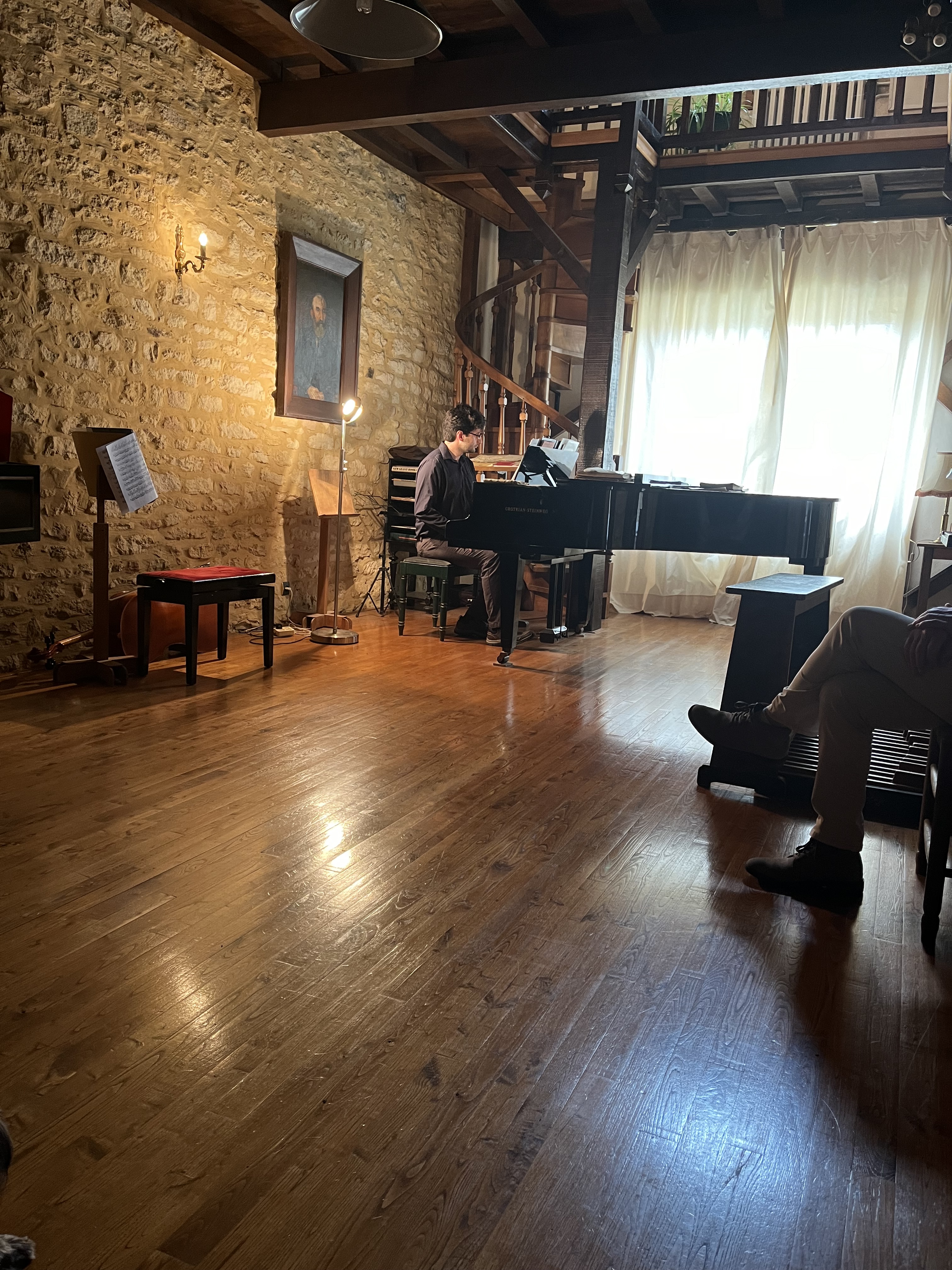
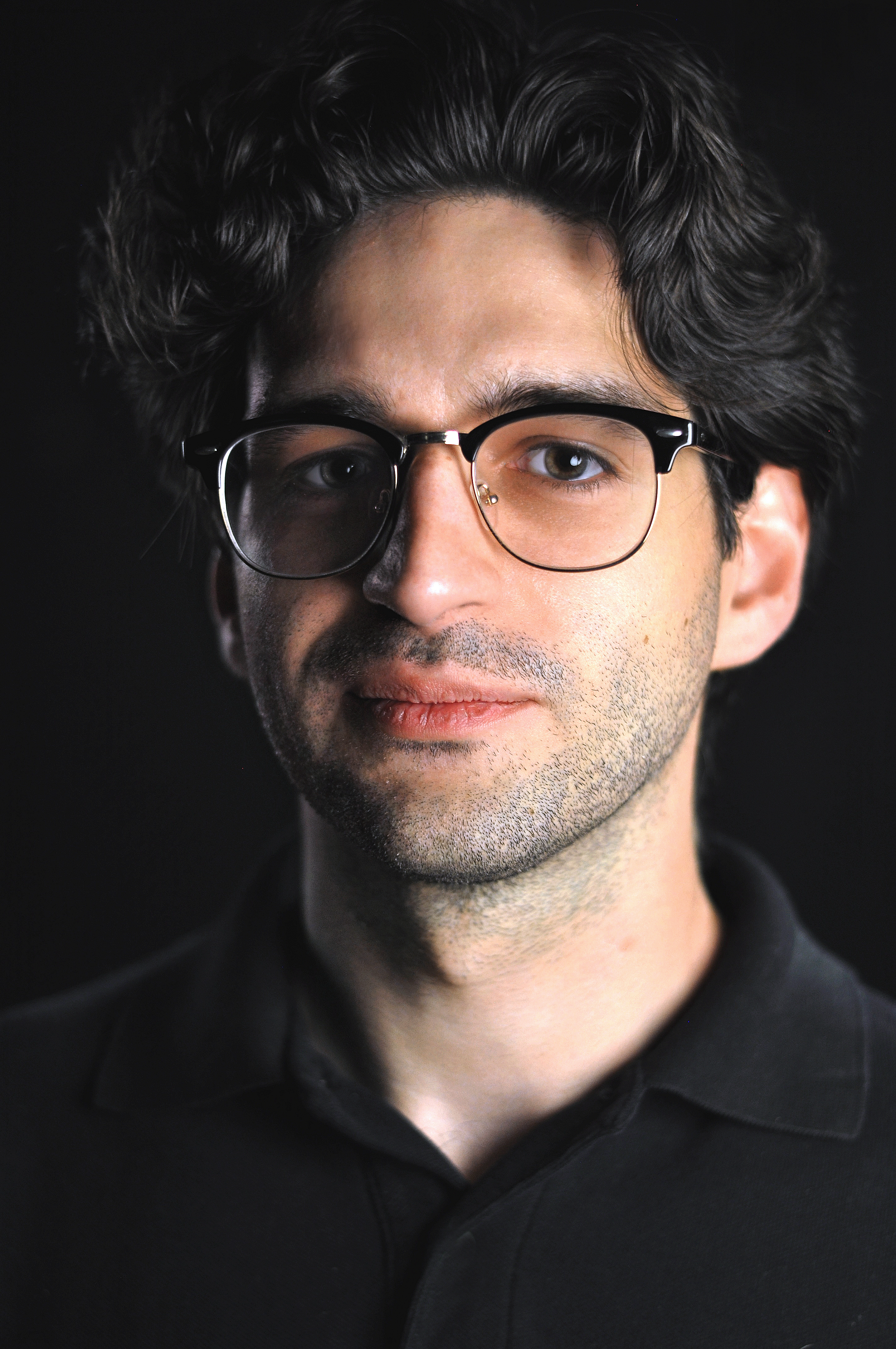

Credentials of speaker
-2 years teaching the course “History of Western Cassical Music” at Northern Illinois University
-Founder of Confluence Ballet Ensemble, pianist and resident composer for Confluence Ballet Company
-B.A. Music Mansfield University, Performers Certificate Northern Illinois University, M.M. Music Composition Northern Illinois University
-Internationally establised Composer/Pianist/Cellist with over a decade of experience playing for and speaking to audiences about classical music
Now Presenting a Lecture Series on the emerging relevance of classical music
Lecture 1 – Swan Lake – A practical guide to the meaning and utility of drama
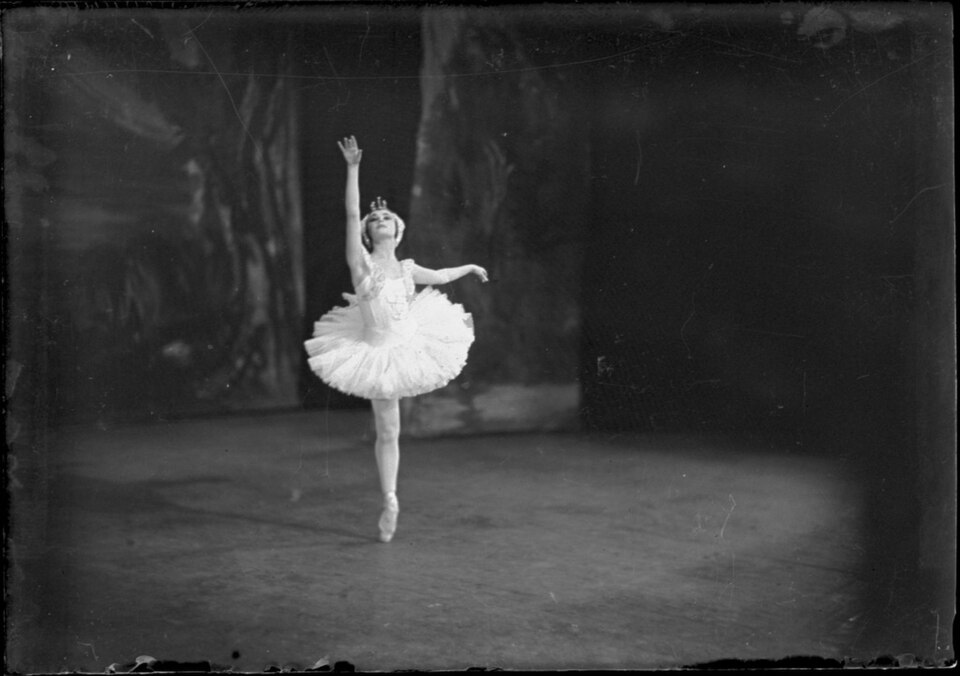
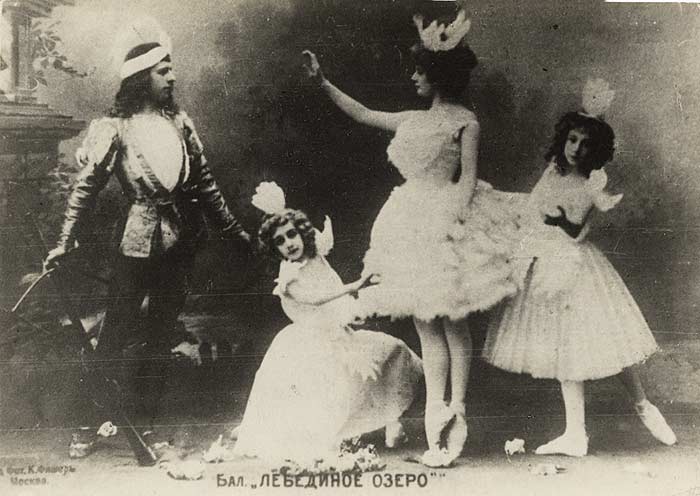
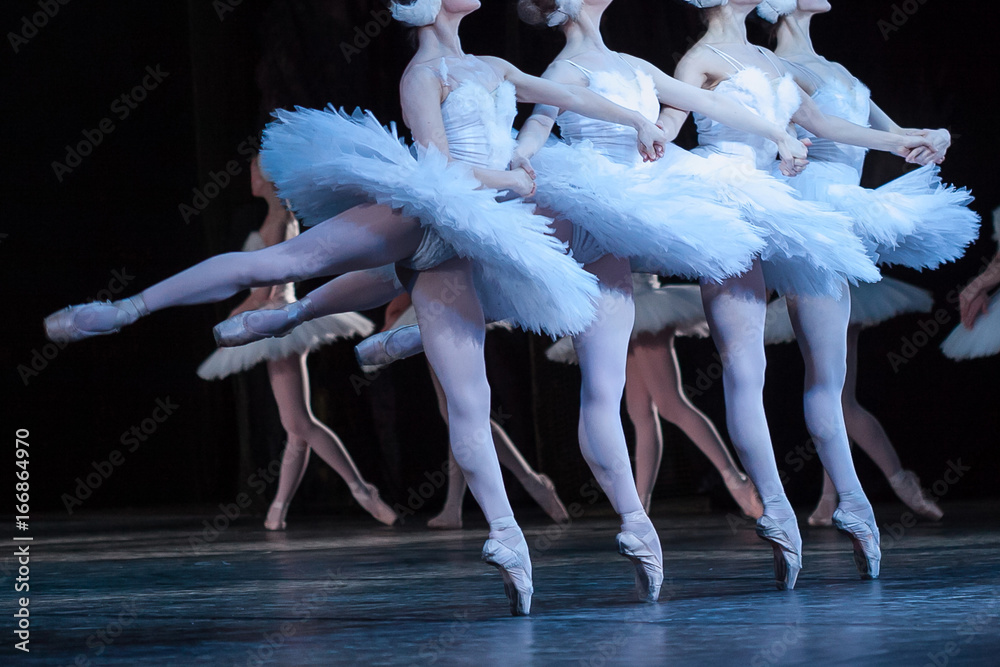
Why do we keep performing this ballet? Does this fairytale story have something to say? Is there something of practical utility to be gained from understanding swan lake?
Lecture 2 – Beethoven symphony 5 – How wordless, storyless music can give values
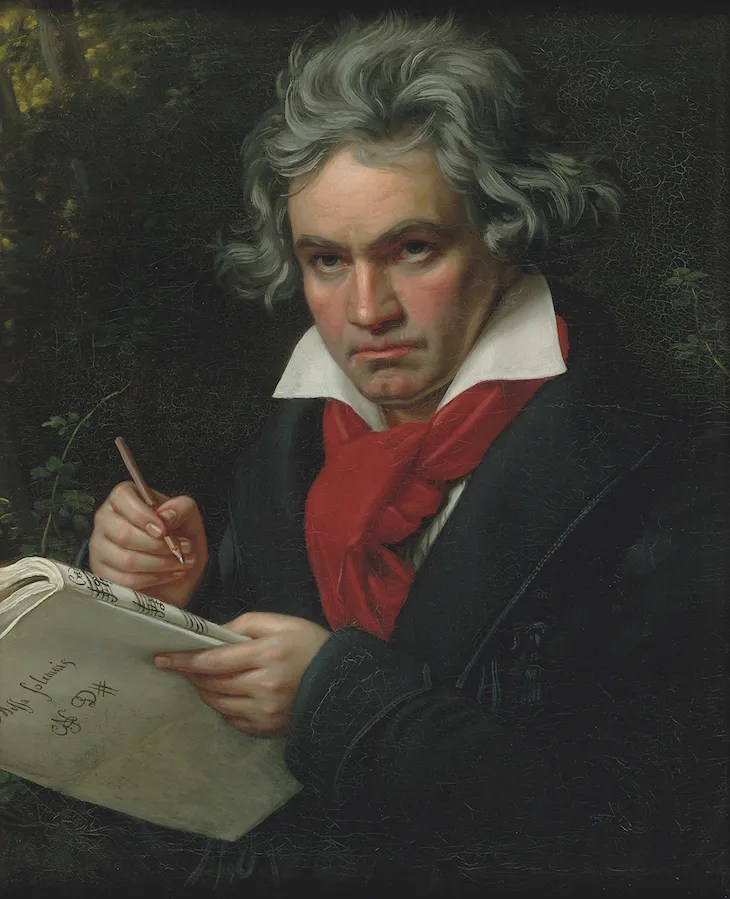
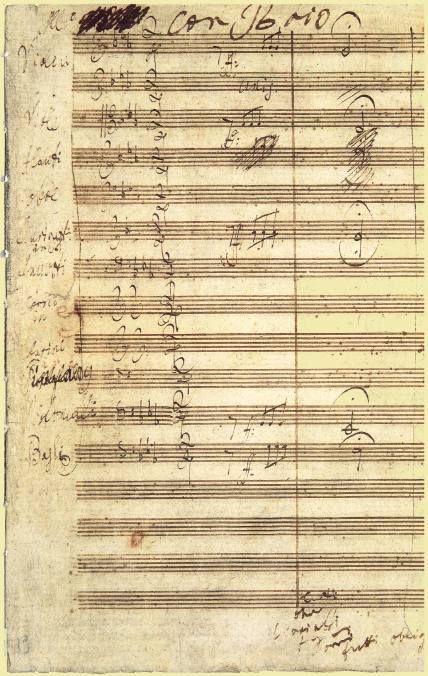
What is the nature of the meaning encoded in symphonic music? Why is specifically “this” sympohny popular in our time? What forces are at work within the music, vis-à-vis within us? Can the experiences we have be a guiding force in our lives with real consequences?
Lecture 3 – Lieder – Schubert and Rachmaninoff- How deep do songs go
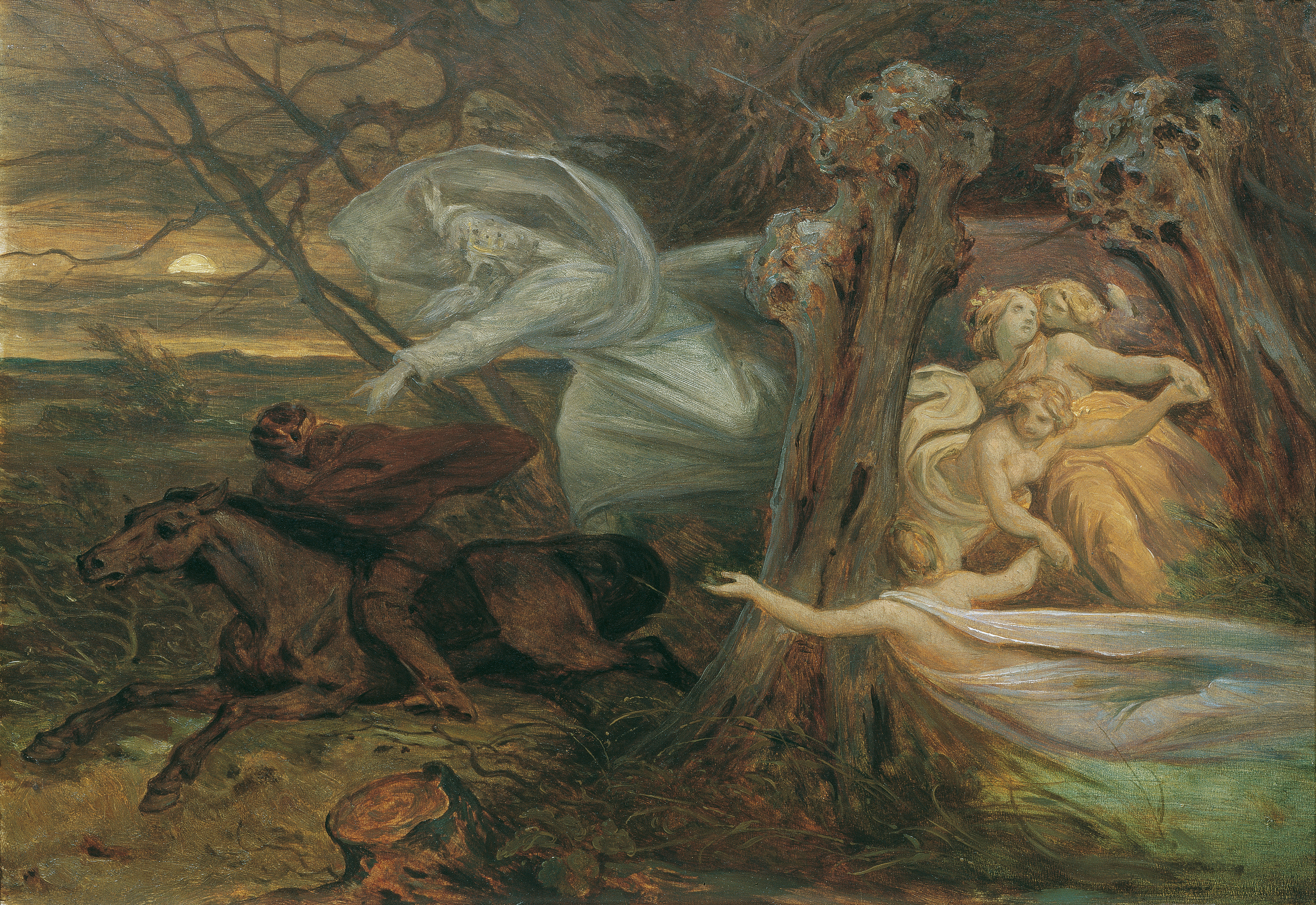
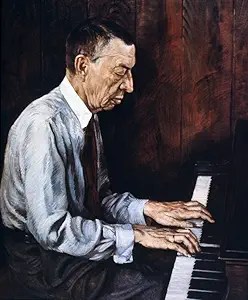
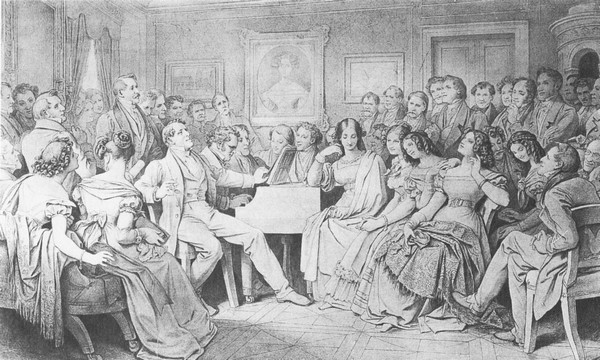

What historically has been the potential of songs? Why does it matter to have a tradition of great poetry? If we fully understood and realized the potential of songs what could that mean?
Lecture 4 – Sacred Music – Alesandro Striggio’s Ecce Beatam Lucem– How our ancestors saw a different world than we do
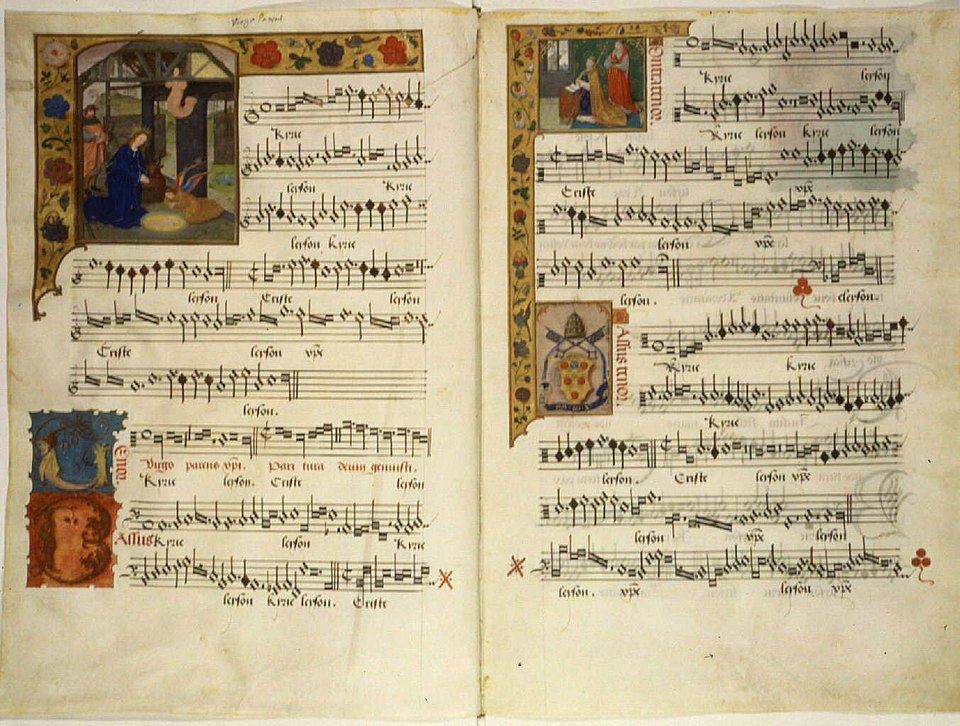
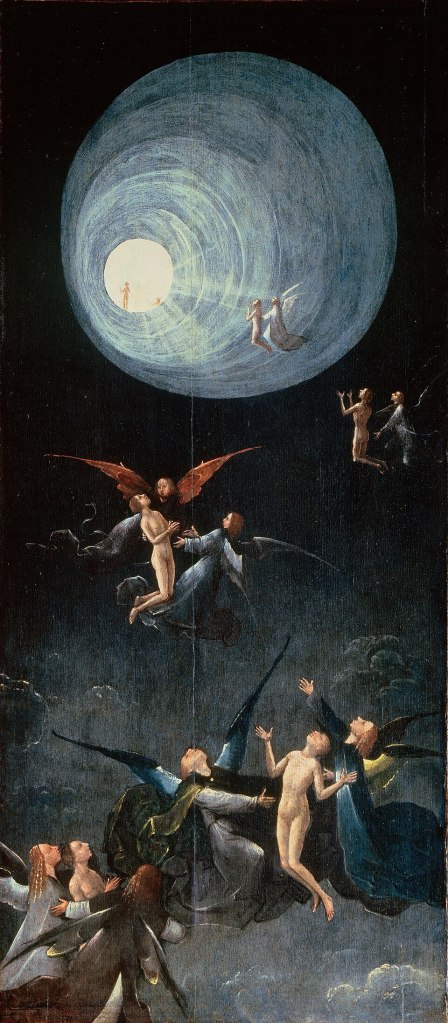
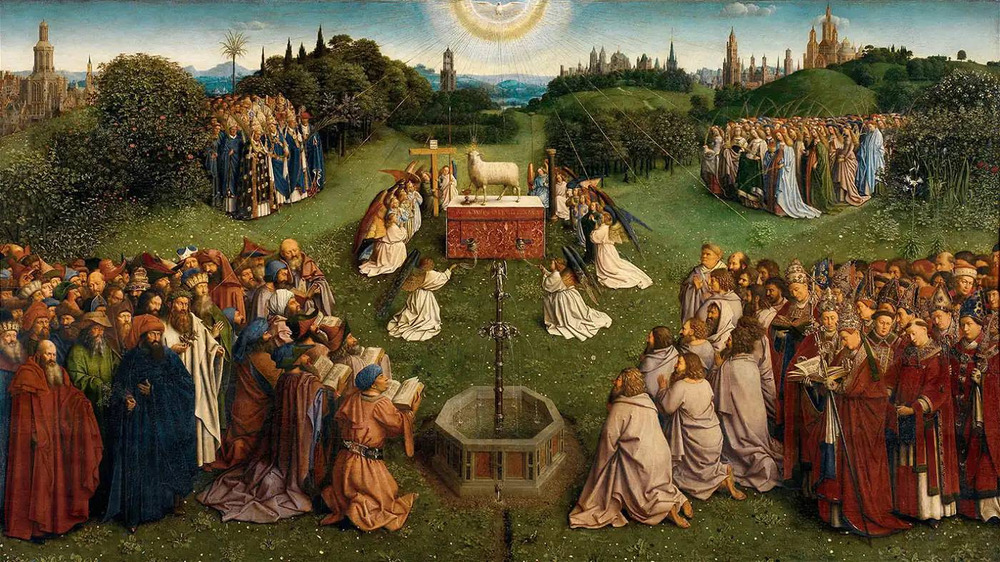
What is the meaning of the religious symbolism in late medieval and rennaissance artistic expression? Why did that music take on a significantly different aesthetic than in centuries to follow it? What were these people writing about, what did they see, how did they view the world, do we really understand it? Do we live in the same world and see it differently now or not?
Lecture 5 – The Onion – Cultivating a living tradition here in Pittsburgh
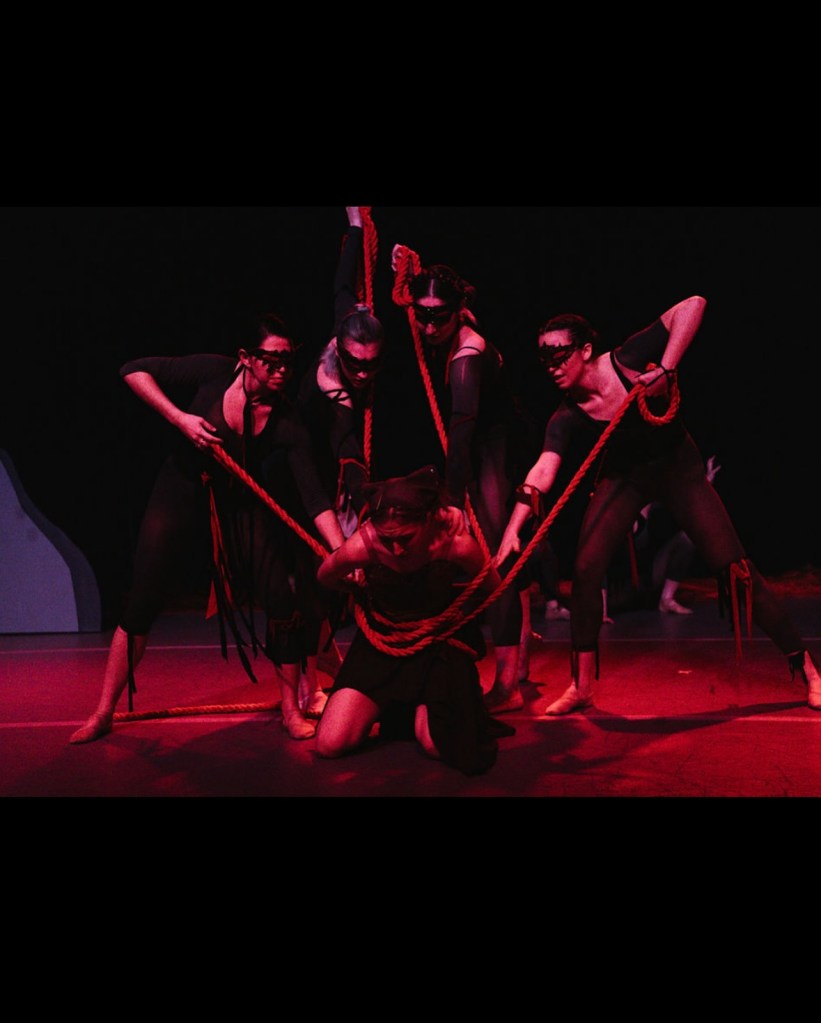
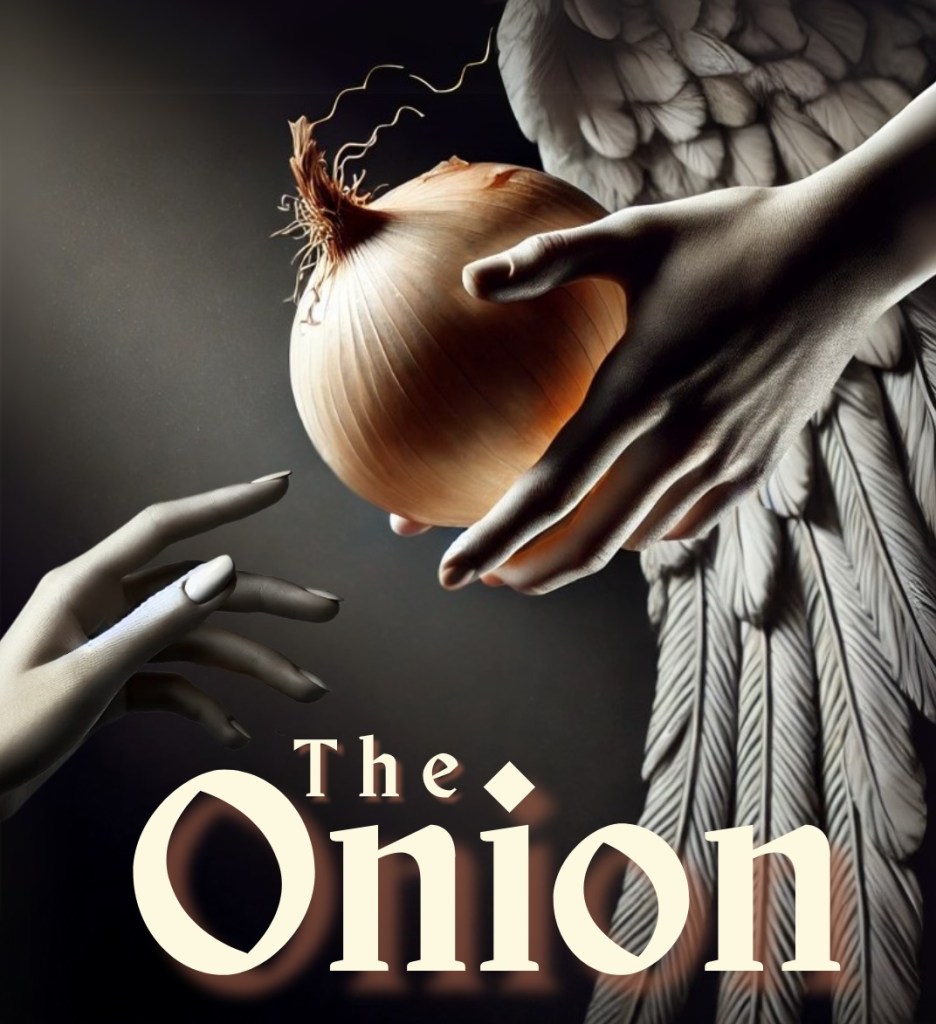
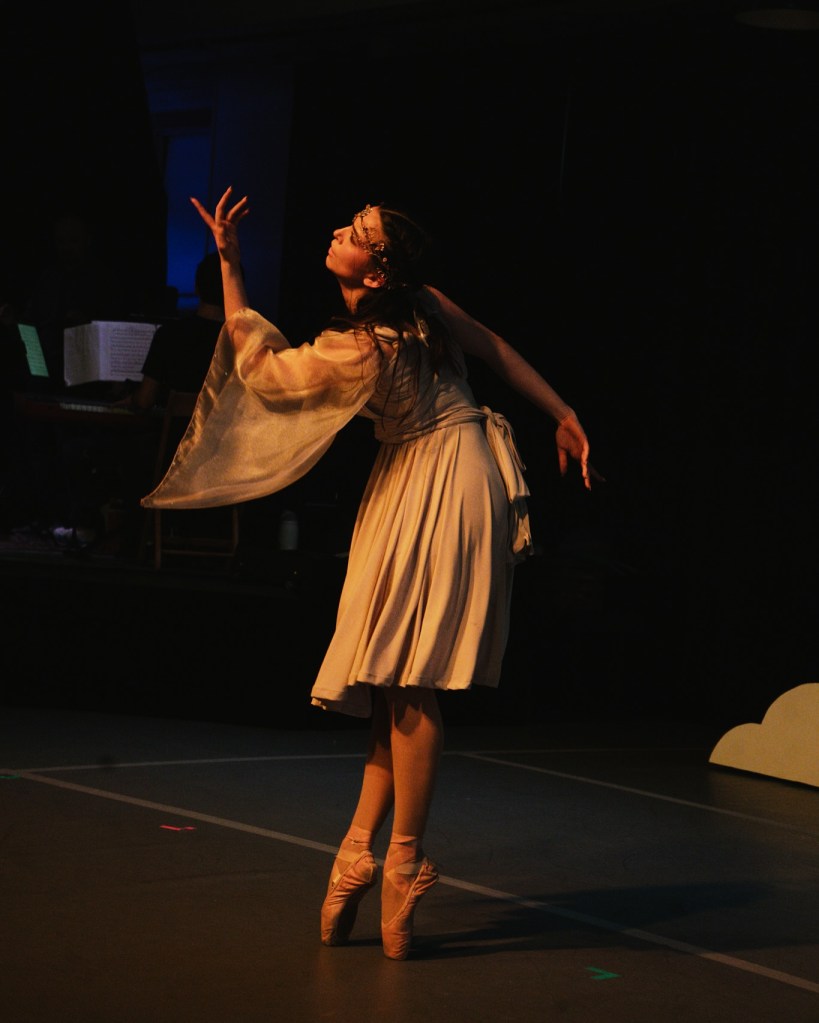
Knowing what we do of what is possible in art as laid out by our ancestors, how do we continue? Is it possible for our traditions to continue without losing thier core substance? Are we up to the task? How do we build a compelling future for the arts? How did our ancestors deal with this problem?
 Joshua Malavé